
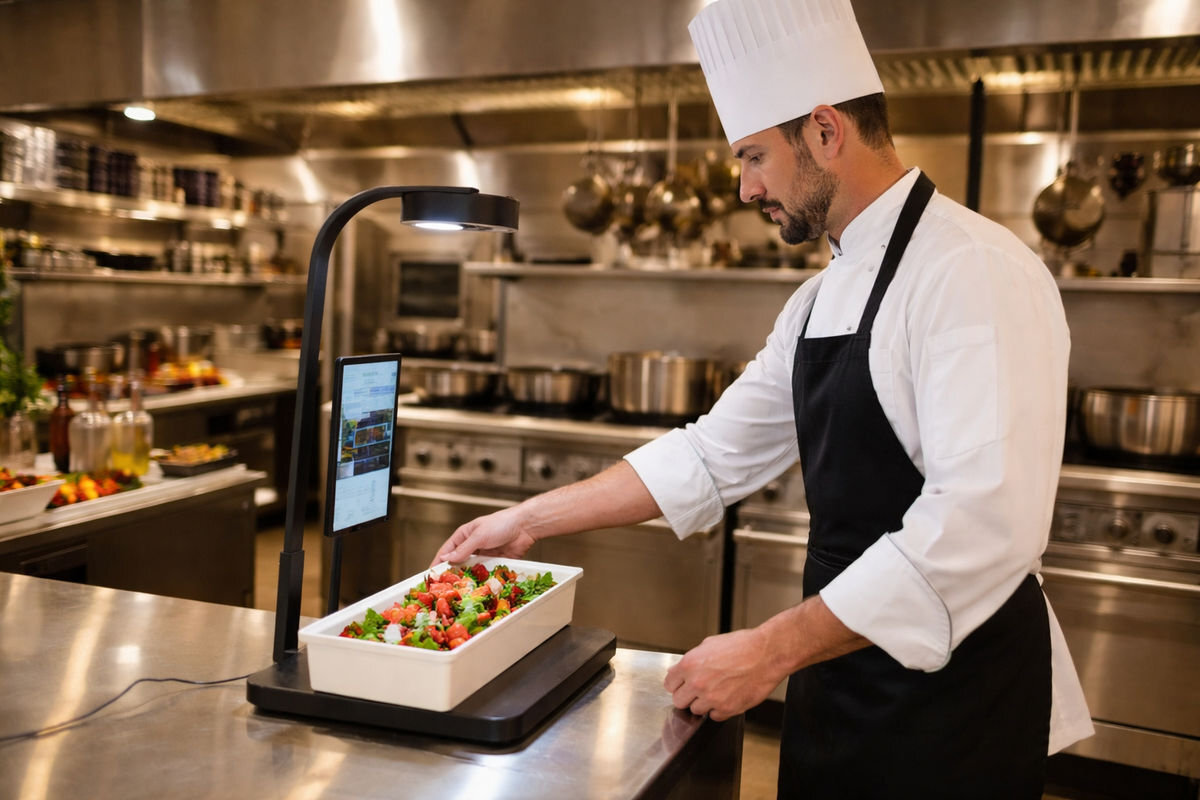
Commercial kitchens make thousands of production decisions every day: what to cook, how much, and when to stop. Most of those decisions are still made on gut feel and last week's memory. Food operations intelligence is commercial kitchen technology that replaces that guesswork with data, so demand forecasting and production planning are based on what guests actually eat.
Great chefs know their kitchens by heart, but they can't be everywhere at once. Even the sharpest instincts struggle against a mid-service rush or the quiet drain of overproduction. A food operations intelligence platform doesn't replace culinary judgment. It gives that judgment the detailed data it needs.
The stakes are high. ReFED estimates U.S. foodservice had 12.5 million tons of surplus food in 2024, worth $157 billion, or 14% of foodservice sales. The USDA estimates 30% to 40% of the U.S. food supply goes uneaten. For foodservice operators, that loss shows up directly in food cost, labor, and margin.
What Is a Food Operations Intelligence Platform?
A food operations intelligence platform tracks what a commercial kitchen produces, serves, and throws away in real time, using sensors and AI instead of manual logs. It then turns that data into production plans and forecasts.
It works alongside the tools a kitchen already has:
- A POS system records what was sold.
- Inventory and purchasing software records what was bought.
- Kitchen operations software manages recipes, menus, and scheduling. That is planning data: what the kitchen intends to do.
- A food operations intelligence platform records what actually happens to the food on the line, meal by meal, from production to consumption, reuse, or disposal.
Food waste software fits inside this category, but most waste tools only show what was thrown away. A full platform tracks production, consumption, and waste together, which is what makes it possible to forecast how much to make.
Metafoodx connects to the systems teams already use, including Jamix, Parsley, and Illumia, so insights turn into action without changing how the kitchen operates.
How Food Operations Intelligence Works
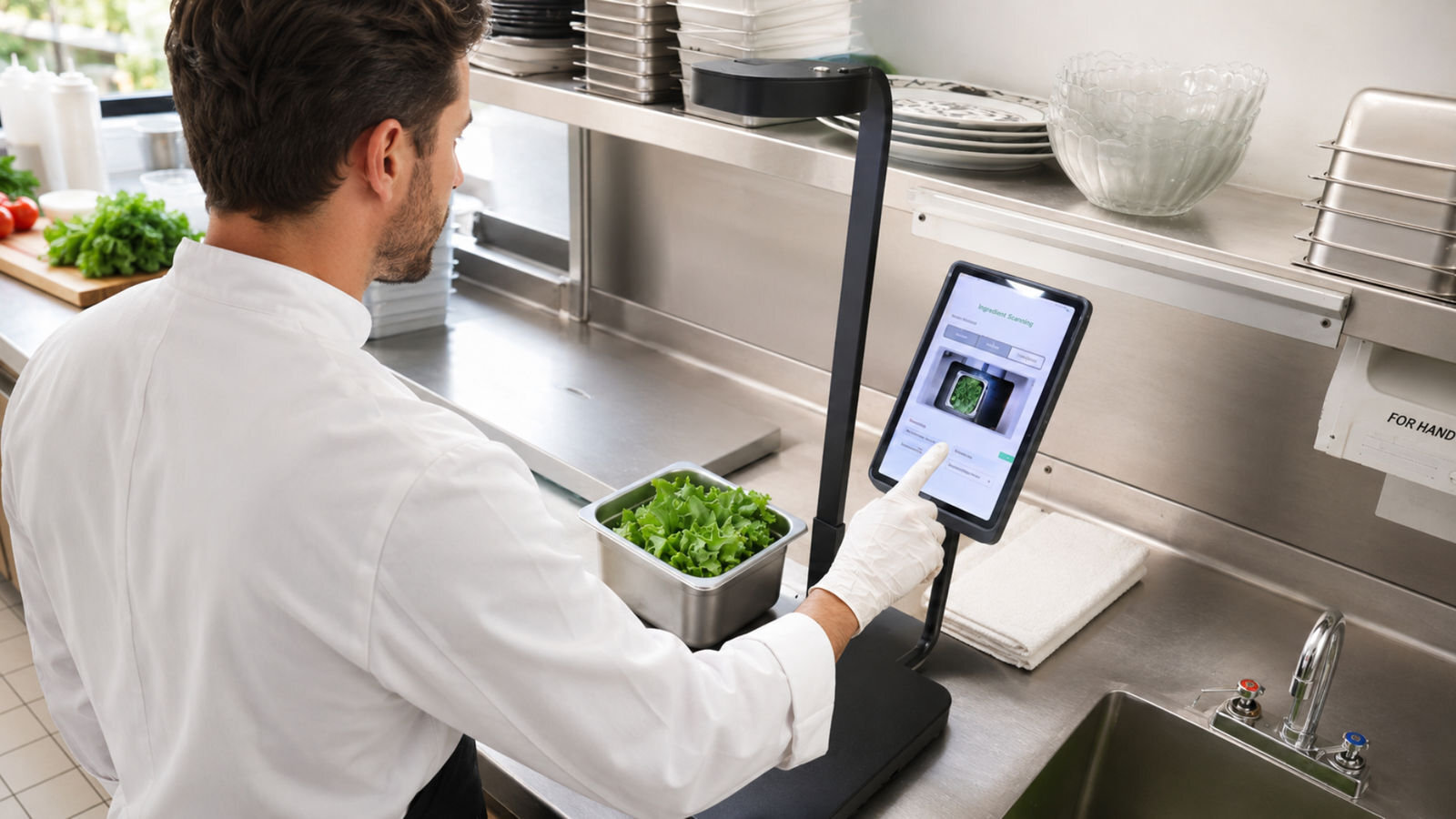
The platform combines computer vision with physical sensors, not cameras alone. When a pan is placed on the Metafoodx device, the system:
- Identifies the dish in about two seconds
- Records weight, temperature, and a food image automatically
- Sends the data to a dashboard showing what was produced, what came back, and what was thrown away, meal by meal
Metafoodx captures data in three main modes:
- Consumption tracking: Staff place pans on the device as food goes out and comes back. The system measures what was produced and what was actually eaten, by menu item.
- Back-of-house waste: Prep scraps and trimmings are recorded to surface yield problems and prep inefficiencies.
- Post-consumer plate waste: At a plate-waste station at dish return, the system records what guests leave behind. That feedback guides portion sizes and menu planning.
This is what separates food operations intelligence from a digital logbook. It doesn't just store records. It turns them into forecasts the kitchen can act on before the next service, not after.
Turning Kitchen Data into Production Planning Decisions
Most businesses still don't know where their losses come from. 61% of businesses say they can't pinpoint the source of their food loss. Food operations intelligence closes that gap and lets teams:
- Forecast demand precisely. Predict which items and ingredients you need and what you can make less of. This ends the "just in case" overproduction that eats margin.
- Rebuild the menu around real consumption. See what guests actually eat, cut items that keep coming back, and put more behind the dishes that drive satisfaction.
- Report sustainability automatically. Track spend and sort waste into clear categories like trash, recycling, and compost, with records ready for leadership and compliance.
- Monitor food safety. Record temperatures automatically without a clipboard check.
The real gain is timing. Waste data reviewed at the end of the week explains last week. Consumption data turned into a production plan changes tomorrow.
Does Food Operations Intelligence Reduce Overproduction?
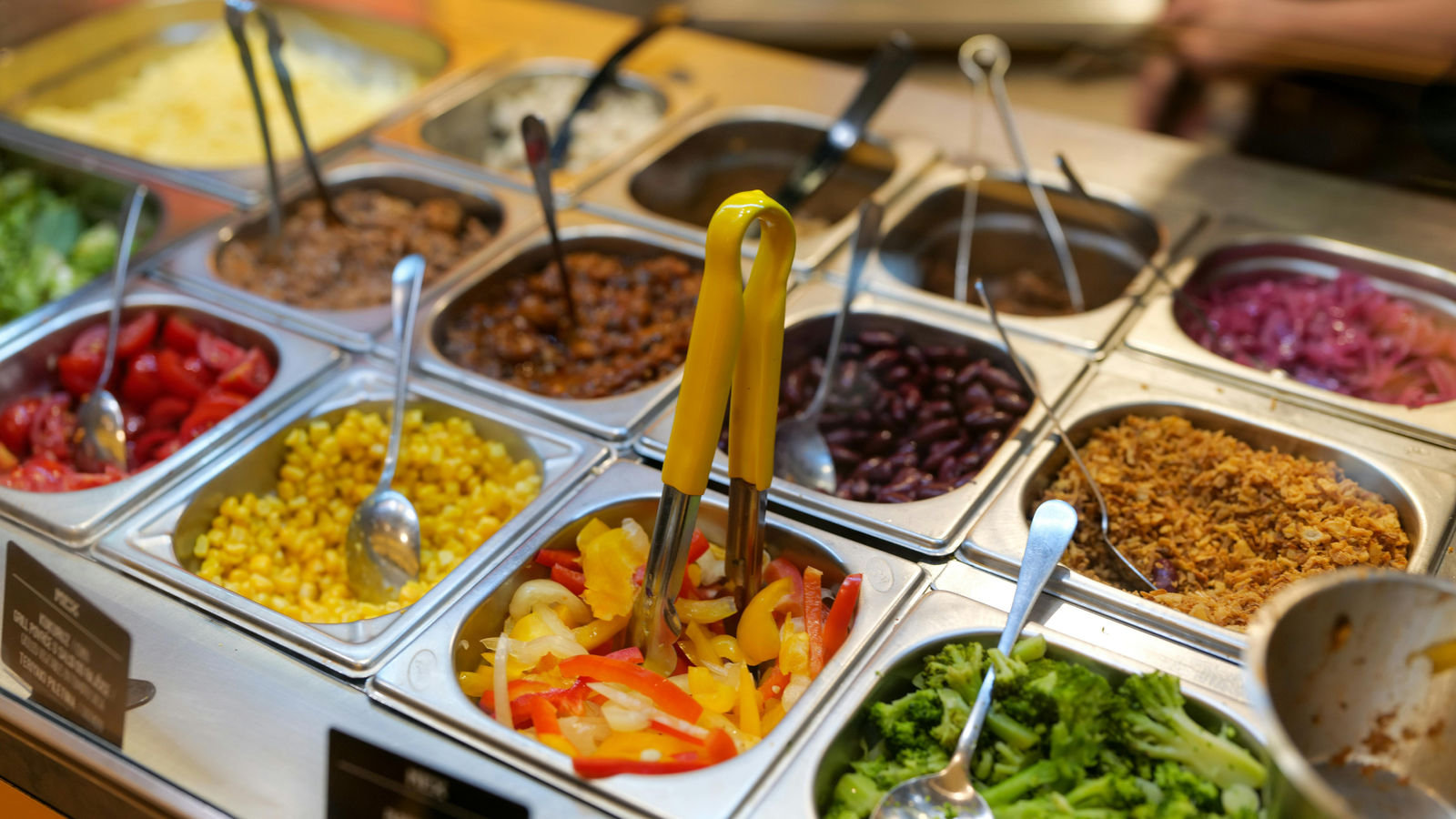
Yes. It replaces estimates with actual consumption data, so kitchens stop overproducing by default. Waste drops as a result.
The scale of the problem is large. The EPA estimates 66 million tons of wasted food were generated across U.S. food retail, foodservice, and households in 2018, and most of it ended up in landfills.
Metafoodx customers typically see overproduction drop by 50% or more. UMass Amherst Dining cut overproduction by 51% within three months by seeing which dishes came back and adjusting production to match.
Manual Kitchens vs. Food Operations Intelligence
| Operational Metric | Traditional Manual Kitchen | Food Operations Intelligence Platform |
|---|---|---|
| Waste Visibility | 61% of businesses can't identify the source of waste. | Visibility from prep scraps to plate waste, by menu item. |
| Overproduction | Static or rising due to guesswork. | Reduced overproduction based on actual demand. |
| Menu Strategy | Based on gut feel or POS sales. | Based on actual consumption data. |
| Forecasting | Frequent overproduction. | Production and ordering based on trends. |
| Food Safety Compliance | Paper logs with high human error rates. | Automated digital logs with alerts. |
| Sustainability | Difficult to track or prove. | Automated recycling and compost records. |
| Return on Investment | Waste is buried in food cost and hard to quantify. | Measurable ROI from lower food and labor costs. |
Why 2026 Is the Tipping Point for Commercial Kitchen Technology
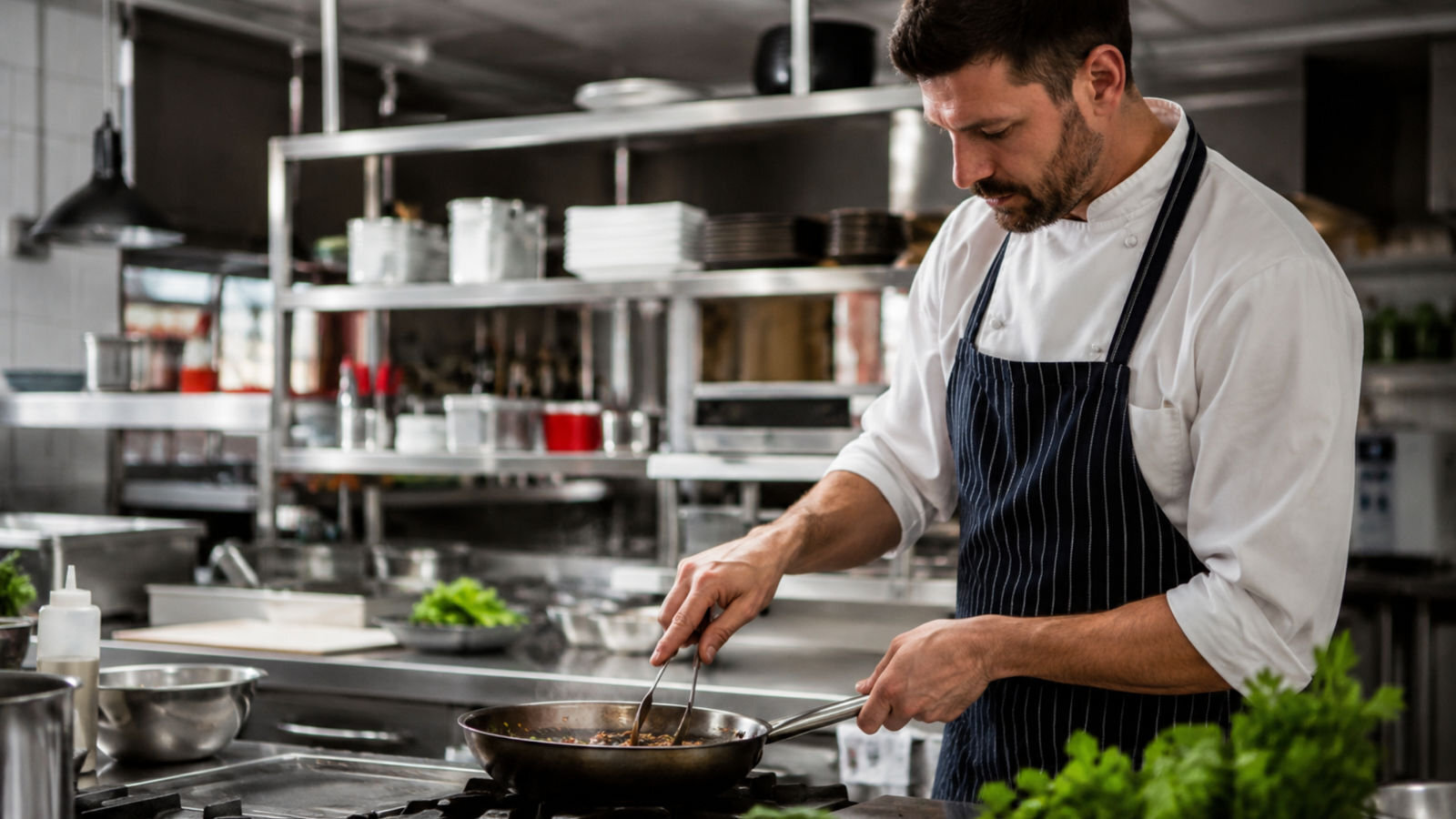
Three pressures are hitting foodservice operators at the same time.
Labor is tight. The Bureau of Labor Statistics projects steady demand for cooks through 2034, and hospitality employment has been flat to declining through mid-2026. Kitchens can't count on more staff to handle manual tracking.
Compliance is going digital. The FDA's 2022 Food Code, updated again in late 2024, explicitly supports electronic temperature and safety records, pushing kitchens away from paper logs.
AI adoption is accelerating. The share of restaurant operators using AI for back-office reporting and analytics jumped from about 25% to 69% in a single year, according to the National Restaurant Association. Kitchens that wait risk falling behind operators who already plan production on real data.
Getting Started
Setup is simpler than most operators expect:
- No months of setup or manual menu pre-training required
- Onboarding includes onsite setup and staff training
- Kitchens are typically running within days, not months
Watching the platform track a real service is the fastest way to know if it fits. For the cost side, see how food operations intelligence platforms reduce foodservice operating costs.
The Bottom Line
Foodservice teams don't need to guess anymore. With labor pressure, digital compliance, and overproduction costing the industry billions a year, food operations intelligence has moved from nice-to-have to a basic operating requirement for high-volume kitchens.
The kitchens that adopt it now will plan each service on real demand data. The ones that wait will keep producing on instinct and paying for the difference.
Frequently Asked Questions
What is a food operations intelligence platform?
A system that measures what a kitchen cooks, serves, and throws out, and turns that data into production plans, forecasts, and alerts.
How is it different from food waste software?
Food waste software records what's thrown out. A food operations intelligence platform also tracks what's cooked and eaten, so it can tell you how much to make.
How is it different from a POS system?
A POS records what was sold. Food operations intelligence records what was produced, consumed, and wasted. A POS tells you revenue. Food operations intelligence tells you why food costs are higher than they should be.
Does it work with the systems I already use?
Yes. It is built to work alongside existing kitchen management and purchasing systems. Metafoodx integrates with tools like Jamix, Parsley, and Illumia.
Who uses food operations intelligence platforms?
Hotels, universities, hospitals, corporate dining, restaurants, and contract caterers. It delivers the most value in high-volume kitchens with real overproduction. A small, low-volume cafe with little visible waste may not see enough return yet.
What kind of ROI can I expect?
Results vary by kitchen. Metafoodx customers report returns mainly from reduced overproduction, lower food costs, and less staff time spent on manual logs.
Related reading: How to Choose a Food Operations Intelligence Platform for Your Kitchen · How Food Operations Intelligence Platforms Reduce Foodservice Operating Costs · What Is a Food Waste Tracking System?
Metafoodx is a food operations intelligence platform that captures the food journey from prep to plate, so foodservice teams can lower food cost, produce more accurately, and prevent waste before it happens. Ready to see how we can help transform your food service operation? Book a demo with our team today.