
Most restaurant food waste comes from a handful of production planning decisions made over and over: how much to prep, when to cook the next batch, how much to order and how big to plate. Prepping a little extra feels safer than 86'ing a best seller on a Friday night. The trouble is that those small buffers add up to overproduction, and overproduction becomes waste.
ReFED estimates surplus food in U.S. foodservice was worth $157 billion in 2024, about 14% of foodservice sales. For one restaurant, that can be the difference between a good month and a tight one.
Across the whole U.S. food system, ReFED estimates that 29% of the food supply goes unsold or uneaten. In foodservice, it estimates that 70% of waste is food guests don't finish. The rest comes from the kitchen: overproduction, trim, spoilage and prep mistakes.
Change the decisions behind that waste and it goes down. Here are eight ways to do it.
Where Restaurant Food Waste Comes From
Every type of restaurant wastes food a little differently:
- QSR: Food that sits too long, batches cooked for a rush that never fully comes, and food thrown out at closing.
- Fast casual: Full pans prepped for the lunch rush, then left over when the afternoon slows down. Over-scooping on the line adds up fast.
- Full-service: Trim and spoilage during prep, stations prepped for more guests than came, and food left on plates when portions are too big.
For a deeper look by segment, see QSR food waste and hold-time discards and where food cost leaks in full-service restaurants.
1. Measure Before You Change Anything
You can't plan production around numbers you don't have. Before adjusting recipes or orders, spend two weeks recording what you cook, what you sell and what you throw away, how much, and why. Sort waste into a few simple categories:
- Overproduction: food prepared but never served
- Plate waste: food guests left behind
- Prep waste: trim, peels and mistakes
- Spoilage: ingredients that expired before use
These have different causes, so treat them as separate problems. Even a rough baseline shows where to focus. Our guide to conducting a food waste audit walks through the process, and how to track food waste in restaurants covers the tools.
2. Forecast Demand by Item and Daypart
Overproduction is usually the largest kitchen-side source of waste. Prep lists often reflect what the kitchen has always made, not what guests have been ordering lately.
Compare recent sales and consumption by menu item and day of the week with what's on the prep sheet. When an item consistently sells below its par, lower the par.
Then plan by time of day. Use your sales history to set separate first batches for lunch, the afternoon and dinner, instead of one standard batch all day. For items with unpredictable demand, prep a base amount and finish in smaller batches during service. For more, see how to reduce overproduction in commercial kitchens and AI food demand forecasting.
3. Cook Smaller Batches With Clear Hold-Time Rules
Smaller batches cooked more often stay fresher and get thrown out less. Set a hold time for each item and use a timer, not memory, to enforce it.
This matters most in QSR and fast casual, where food cooked for a rush that never comes ends up in the bin. Cooking closer to real demand means fewer full pans going out late in service and fewer discards at close.
4. Right-Size Portions
With plate waste making up most foodservice waste, portions are one of the biggest levers. If the same dish keeps coming back half-eaten, the portion is probably too large or guests don't like the recipe. It's often the easiest fix on the menu.
Standardize portions with scales, scoops and plating guides so every cook serves the same amount. Look at which sides are routinely left on the plate and consider smaller default portions or making them optional. Guests rarely complain about a well-sized plate, and food cost drops immediately. For common pitfalls, see what causes restaurants to misjudge portion sizes.
5. Order From Usage Data
Many kitchens order on routine: the same case counts every week regardless of what moved. That leads to ingredients sitting in the walk-in until they spoil.
Base orders on actual usage from the past few weeks, and review them when the menu changes. If a premium ingredient keeps getting tossed, buy smaller quantities more often or rework the dishes that use it. Tight ordering also frees up cash and storage space.
6. Store, Rotate and Cross-Utilize Ingredients
Spoilage often comes down to storage. Label and date everything, follow first in, first out, and keep coolers at the right temperatures. Put items that need to be used soon at eye level and at the front.
Temperature monitoring helps here too. Food held at the wrong temperature has to be thrown out, so catching problems early protects both food safety and food cost.
The more dishes an ingredient appears in, the less likely it is to go to waste. When building or updating the menu, look for ways to use the same proteins, vegetables and sauces in several items. Put trim to work as well: vegetable scraps become stock, bread becomes croutons, and yesterday's roasted vegetables can anchor a daily special, as long as you follow your food safety rules for holding and reuse.
Check how much is lost in prep, too. If cooks trim more than the recipe calls for, talk to them or change what you buy.
7. Engineer the Menu With Waste in Mind
Some dishes cost more than they earn once waste is included. An item might look profitable on paper but require expensive ingredients that often spoil, or produce heavy prep waste.
Review menu items by sales, margin and waste together. Consider removing or reworking dishes that sell slowly and waste a lot, and promote dishes that use ingredients efficiently. Menu decisions are much easier when they're based on item-level data instead of gut feel.
8. Donate What You Can't Use
Some surplus is unavoidable. Partner with a local food bank or food recovery organization to take safe, unserved food. The federal Bill Emerson Good Samaritan Food Donation Act protects businesses that donate in good faith, and some states offer tax incentives. Compost what can't be donated.
Donation is a backstop, not a plan. If the same item goes to the food bank every week, the production number is still too high.
Make Production Planning a Weekly Habit
Focus on the few items that cost the most. Each week, review the top five overproduced items, pick one change and check the result the following week. Small changes every week work better than one big overhaul.
Manual logs work for a short audit, but they tend to fall apart during busy shifts. Staff skip entries, estimate weights or describe the same item differently, and the data becomes hard to act on. For a side-by-side comparison, see manual food waste logs vs. AI tracking software.
How Metafoodx Supports Restaurant Production Planning
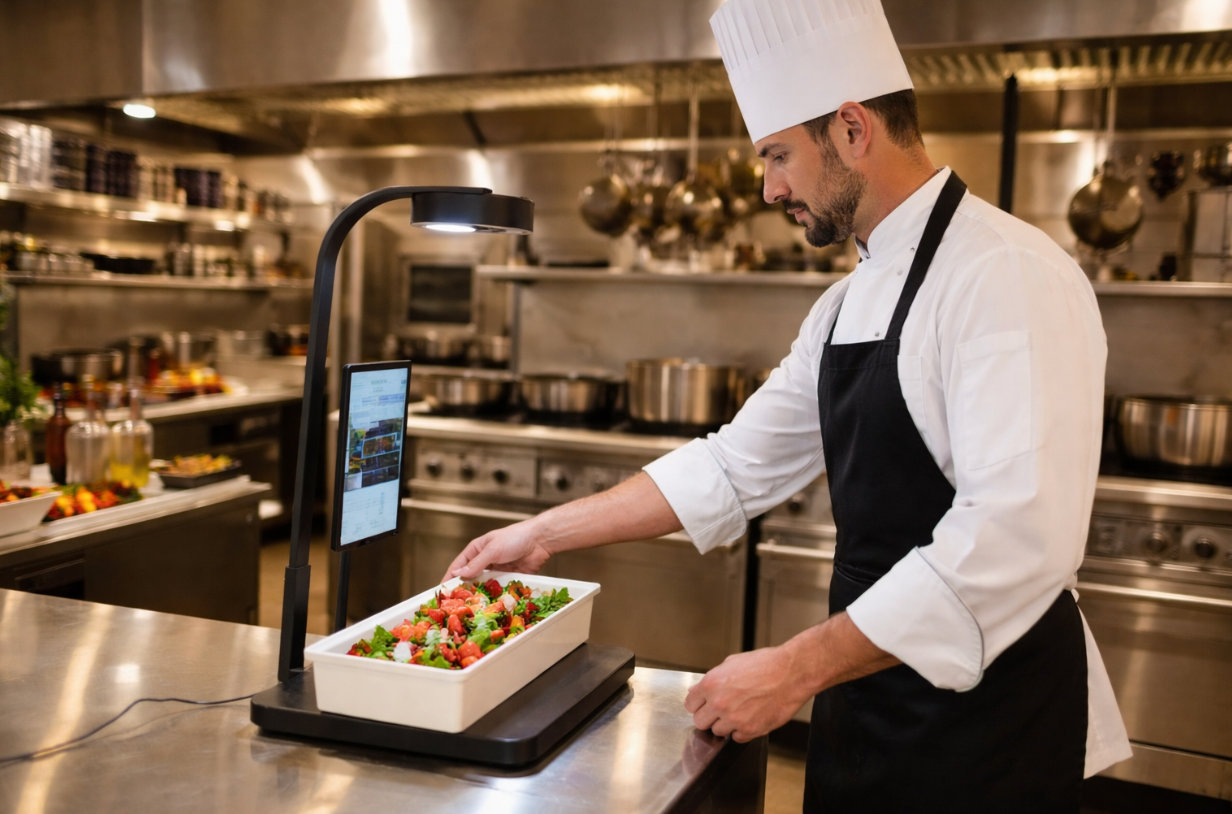
Most restaurant teams already know these steps. What they don't have is good data that doesn't slow down the line. Metafoodx records each pan in about two seconds, identifying the menu item and capturing its weight and temperature.
- Consumption Tracking: Pans are recorded when they go to the line and when they come back, so you can see how much you cooked compared with how much sold, by item and time of day.
- Automatic Production Planning: Get a prep list based on what sold the last time the menu came around. Managers can edit and export it before service.
- Overproduction Alerts and weekly report: Email alerts flag items that go over your limit. Each week, the report lists the five items that cost each location the most in extra food, using your actual cost per pound when available, and what to cut first.
- Freshness Alerts: A timer starts on each item when it goes out. It turns orange, then red, as time runs out, so nothing sits too long.
- Back-of-House Waste: Staff record trim and discarded food with a reason, so you can see what's lost and why.
- Leftover destinations: Track whether surplus was reused, donated or discarded.
- Mobile App: Owners and kitchen managers can check Live View, the Scan Log and reports from an iPhone, even across several locations.
- Integrations: Works with menu systems like Parsley and Jamix, so nobody has to enter the menu twice.
Eaping Fresh Chinese, a quick-service restaurant, uses Metafoodx to keep food fresh and cook the right amount. Read how Eaping reduced temperature alerts by 30% during peak service.
To understand the data-capture approach behind AI tools, read how computer vision is used in restaurant operations.
Reducing Waste Is Also About Food Quality
When you cook closer to what sells, food spends less time in the hot well. It tastes better, stays at the right temperature and costs you less.
The goal isn't to run out. It's to cook closer to what you'll sell and always have enough of your best sellers.
How to Evaluate Food Waste Software Savings
Start with the costs your operation can actually change. Track ingredient waste by item and meal period, then compare similar menu cycles and covers served before and after a production change. A reduction in recorded waste value is useful evidence, but confirm its effect on purchasing before treating it as cash savings.
Include hardware, software, onboarding and ongoing fees in the calculation. Count labor savings only when time is actually redeployed or paid hours change, and don't count the same ingredient savings under both waste reduction and purchasing. Use the same time period for costs and benefits, and state what is included. Our guide to verifying savings and net ROI covers the full calculation.
Use our food operations intelligence platform buyer guide to compare what each vendor includes, and ask for evidence from operations similar to yours.
Frequently Asked Questions
What is the biggest cause of food waste in restaurants?
In foodservice overall, plate waste is the largest share: ReFED estimates 70% of foodservice waste is food guests don't finish. In the kitchen, cooking too much, especially during slow parts of the day, is the biggest source, followed by spoilage and prep waste.
How can restaurants reduce food waste quickly?
Measure waste for two weeks, then focus on the top few items. Adjusting prep pars, batch timing and portion sizes for those items usually produces the fastest savings.
How do you calculate restaurant food waste cost?
Multiply the weight of the food you threw out by its cost per pound or per portion. Tracking by item shows which dishes cost you the most.
How can restaurants reduce plate waste?
Right-size portions, make sides optional or smaller by default, and watch which dishes regularly come back unfinished. Those items often need a portion or recipe change.
Is it legal for restaurants to donate leftover food?
Yes. The Bill Emerson Good Samaritan Food Donation Act protects businesses that donate food in good faith to nonprofit organizations. Check local health rules for handling and transport.
Is food waste tracking worth it for a single location?
Often, yes. Even one restaurant can find patterns, like a side dish that's overcooked every afternoon, that add up over a year. Results depend on tracking consistently.
How does technology help reduce restaurant food waste?
Tracking tools replace manual logs with consistent, item-level data. That makes it easier to see which menu items are overproduced or wasted and to adjust production, portions and purchasing.
What should restaurants look for in AI food waste and production planning software?
Look for a system that tracks food at every step, not just the trash bin: what's cooked, what's served and what's thrown out. It should recognize menu items automatically, record weight and temperature each time food is recorded, build demand forecasts from your own data and report by menu item. Use our buyer's checklist to compare options.
Related reading: Grocery Store Food Waste Starts at the Deli, and So Does the Fix · Corporate Cafeteria Food Waste: How to Plan When Headcount Won't Sit Still · How to Reduce Food Costs Without Cutting Quality
Metafoodx is a food operations intelligence platform that captures the food journey from prep to plate, so foodservice teams can lower food cost, produce more accurately, and prevent waste before it happens. Ready to see how we can help transform your food service operation? Book a demo with our team today.