
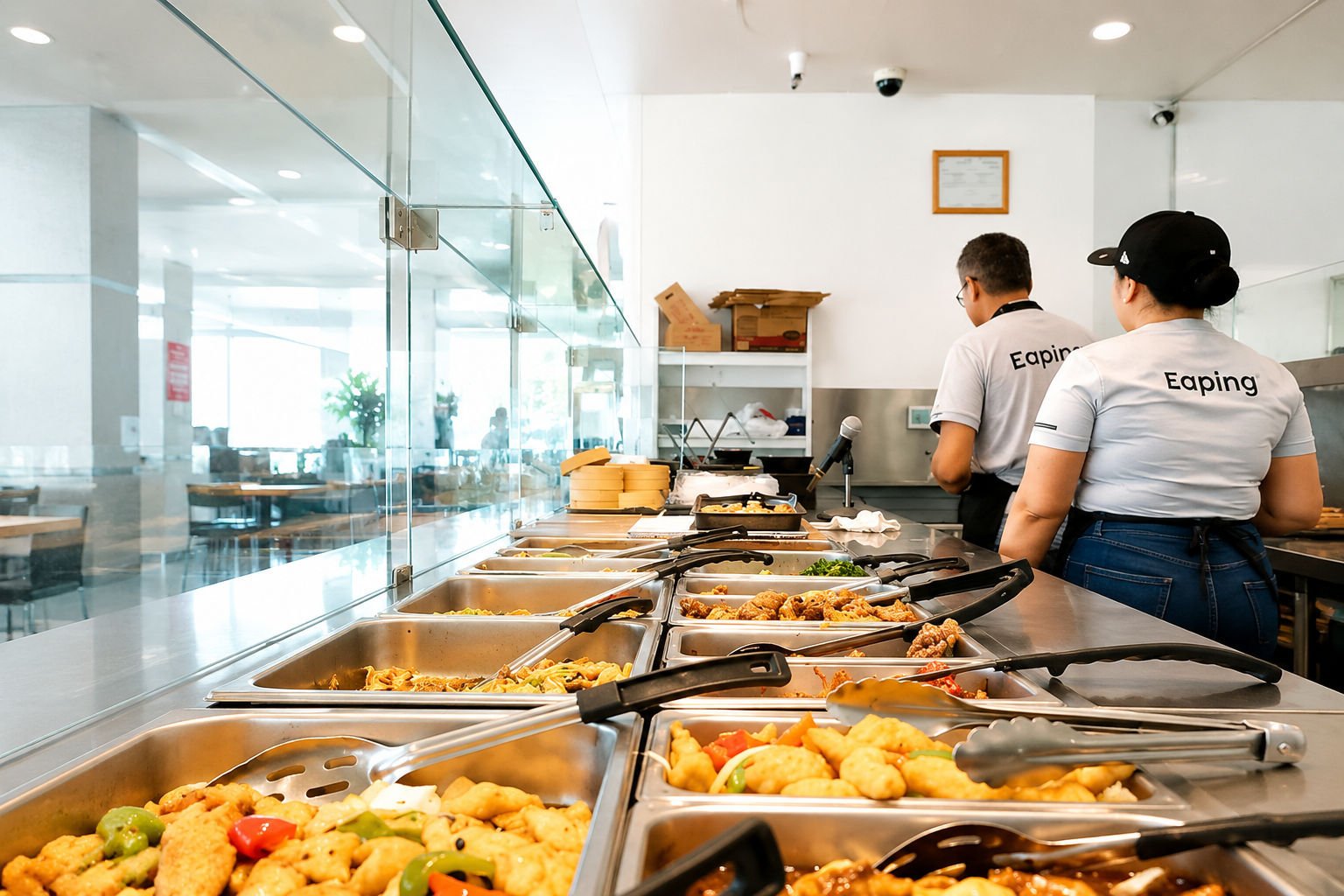
Every hotel chef has seen it. Brunch is ending, the dining room is half empty, and there are still three full pans of scrambled eggs, a tray of bacon, and a pan of French toast in the warmer. None of it can be served tomorrow.
Hotel buffet food waste is a production planning problem. The kitchen is told never to run out, but it plans from occupancy reports and memory, and it can't see what guests actually eat until the meal is over. So it overproduces, every service.
Fixing that pays off. In a Champions 12.3 study of 42 hotels, kitchen food waste dropped 21% on average in the first year, hotels saved $7 for every $1 invested, and more than 70% made their money back within a year.
ReFED estimates surplus food in U.S. foodservice was worth $157 billion in 2024, about 14% of foodservice sales. For hotels, resorts, casinos and cruise lines, much of that sits on the buffet line.
Why Hotel Buffets Overproduce
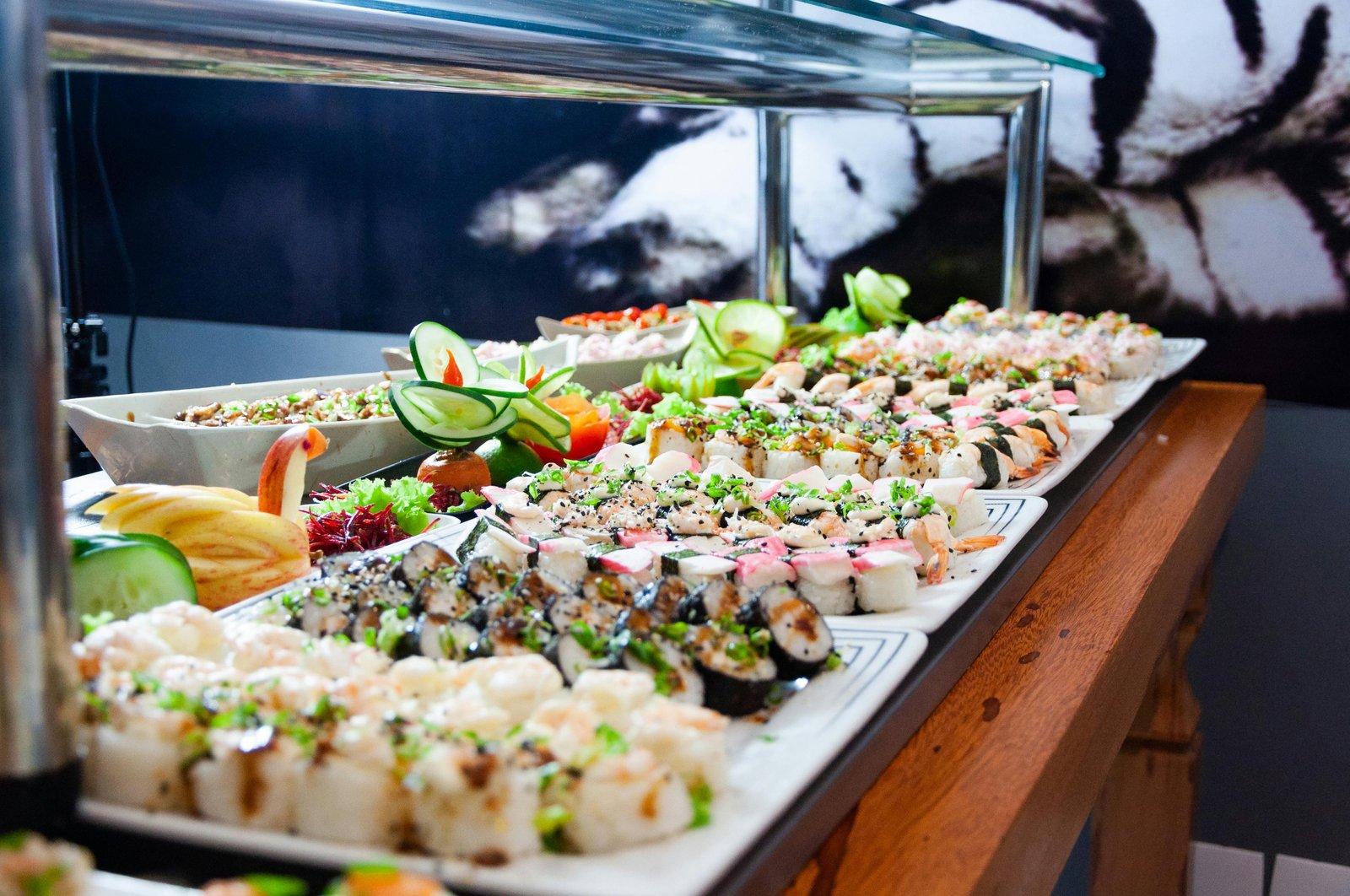
Overproduction on a hotel buffet isn't a staff failure. It comes from how buffets are designed. Guests expect full stations, and running out of a dish is a visible failure. So chefs cook for the busiest possible day instead of the likely one.
Several things make that worse in hotels:
- Guest counts change all the time. Occupancy, group bookings, conventions, weather and flight delays all change how many people show up for breakfast and dinner.
- One kitchen feeds many outlets. Restaurants, banquets, room service, pool bars and staff dining all pull from the same kitchen, so it's hard to see where food goes.
- Planning lives in people's heads. The sous chef who knows Sunday brunch sells far more omelets than Saturday is a big help, until they're off shift.
- Extra builds up at every step. Purchasing over-orders to avoid supply gaps, prep over-produces to cover uncertainty, and the line overfills trays to look abundant.
Research from Nutritics found a breakfast buffet generates more than twice as much food waste per customer as à la carte service: 300 grams compared with 130 grams.
The common thread is a data gap. Most hotel kitchens don't measure what was produced, what was eaten, and what came back. Without that, the same overproduction decisions get made the next day, and the day after that.
What Overproduction Really Costs a Hotel Kitchen
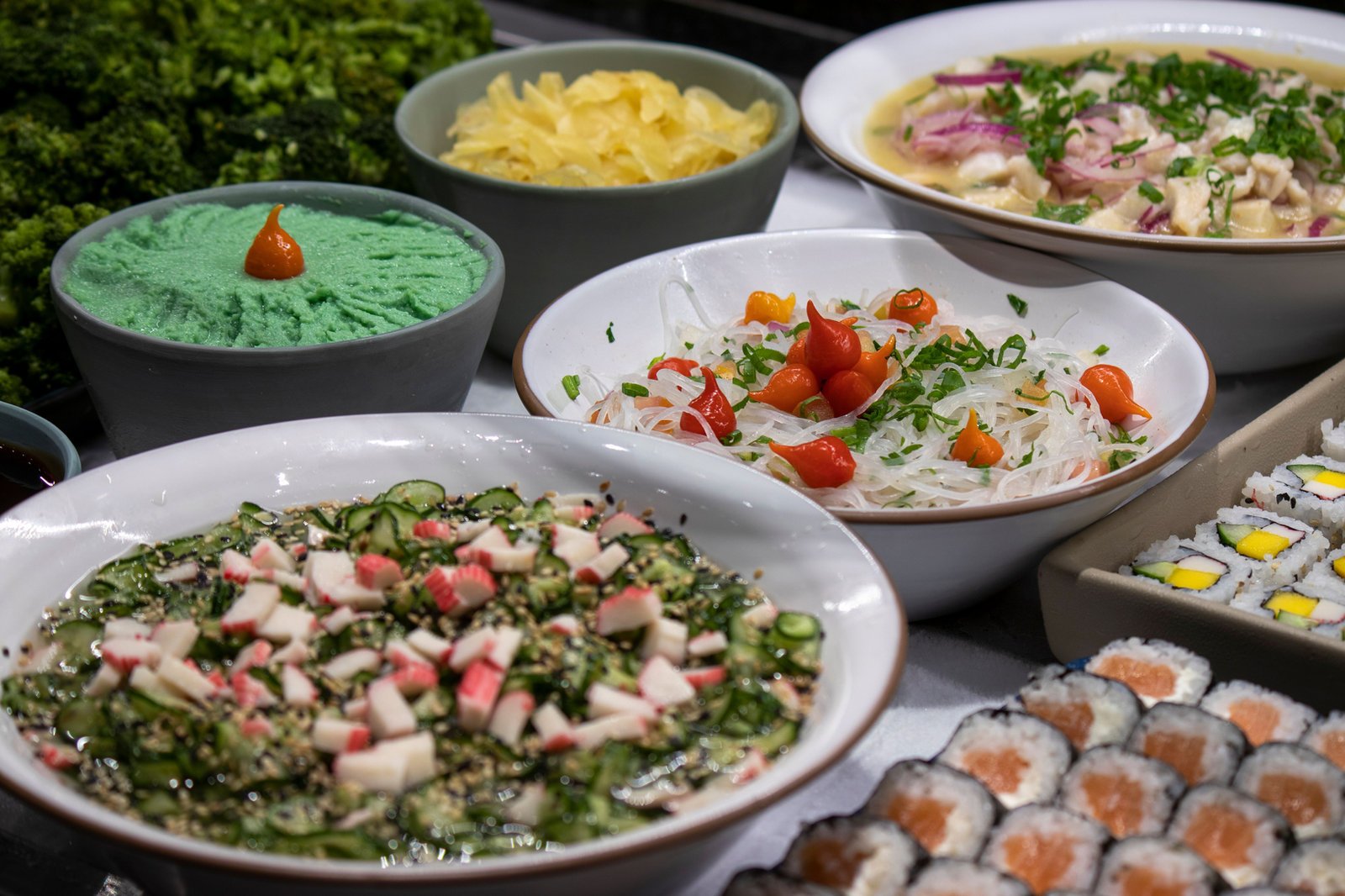
The cost of an extra hotel pan goes well beyond the ingredients in it.
- Ingredients: proteins and other expensive items get cooked and never sold, which pushes food cost percentage up.
- Labor: cooks spend time prepping, cooking and breaking down food that earns nothing.
- Energy: combi ovens, ranges and hot-holding stations run longer to keep extra food warm.
- Quality: food held too long dries out or overcooks, and often can't be served by the end of the shift.
In hotel research from the World Wildlife Fund, food waste made up about 8% of total food costs. At the landfill end, the EPA reports food made up 24% of everything sent to U.S. landfills in 2018, more than any other material.
Why the P&L doesn't show it
Standard food cost reporting uses beginning inventory plus purchases minus ending inventory. That formula counts everything that left inventory as used, whether it was served or thrown away. Waste from production, holding and plates disappears into one number, and most chefs underestimate it as a result.
Across hospitality and foodservice, WRAP found that 66% of food waste happens before food reaches a guest (45% during preparation and 21% from spoilage), while 34% comes back on plates.
The Three Places Hotel Buffet Waste Happens
Hotel food waste happens in three places, and each one needs a different fix. Treat them as one problem and you'll fix the wrong thing.
| Stage | What it looks like | Usual cause |
|---|---|---|
| Back of house | Trimmings, extra banquet prep, food that spoils in the walk-in | Prep sheets based on habit or last year's numbers |
| On the line | Full backup pans, late refills, held food that loses quality | Refilling on a fixed schedule and cooking batches too close to close |
| On the plate | Food guests take and don't eat | Self-service portions and oversized plates |
Cooking less won't help if the real issue is portion size. Smaller portions won't help if the problem is a backup pan that comes out an hour too early.
How to Plan Buffet Production and Cut Overproduction
These are the changes hotel kitchens are making to bring buffet overproduction under control.
1. Plan from consumption, not habit
Most hotel kitchens still build production sheets from experience, seasonal estimates and gut instinct. That approach doesn't get more accurate over time, because it doesn't learn.
When kitchens record actual consumption by dish, day of week, event type and guest count, production decisions start from what guests ate last Tuesday versus last Saturday. A convention weekend gets planned differently from a quiet weeknight. For a step-by-step look at forecasting and batch planning, see Buffet Production Planning for Hotels and Resorts.
2. Measure what comes back, not just what goes out
Production records tell you what left the kitchen. Return records tell you what guests actually ate. Most hotels only measure the first, which misses the data that matters most for diagnosing overproduction.
Logging what came back, and whether it was reused, donated or composted, shows which dishes are genuinely popular and which are habitually overproduced because they've always been on the line.
3. Adjust during service, not after
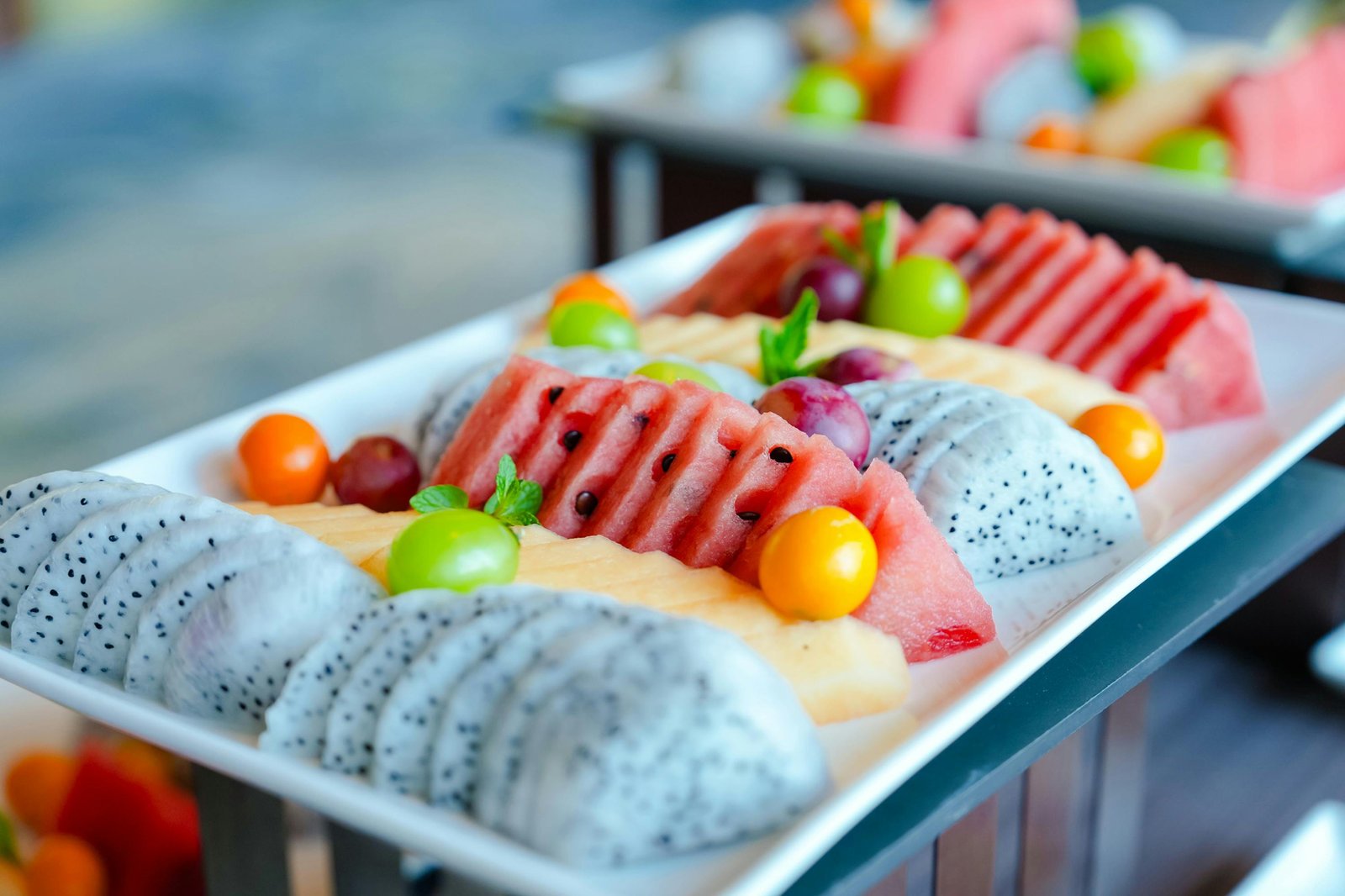
Finding out at cleanup is too late. When a chef can see during service that a dish is coming back at high volume, they can shrink the next batch before the problem grows.
Send out enough to make each station look full, hold the rest properly, and refill based on what's actually moving rather than a fixed schedule. Set a cutoff for full pans near the end of service, and use smaller pans across the line in the last hour.
4. Right-size the menu to real demand
Not every dish earns its place on the line. Some items look good and rarely get touched. Others disappear in the first twenty minutes.
Consumption data lets kitchen teams cut or rotate low performers, adjust portions, and tighten replenishment so food reaches the line fresher and in smaller batches. Guests usually notice the difference: freshly replenished food beats a full tray that has sat since the start of service.
5. Plan banquets from past events
Banquets are often the biggest single source of overproduction, because kitchens cook for the guaranteed count plus a buffer. Recording how much was made and left over for each event, by BEO, means the next 300-person awards dinner is planned from what the last similar event actually ate.
6. Route unavoidable surplus
Even a well-planned buffet has surplus on some days. A structured process turns it into reused dishes, donations or compost rather than landfill. Donations should always go through an approved program that follows local food safety rules.
Logging where surplus goes also feeds ESG and sustainability reporting that hotel groups are increasingly asked to provide. But cooking less in the first place saves more than any diversion program.
How Metafoodx Supports Hotel Buffet Production Planning
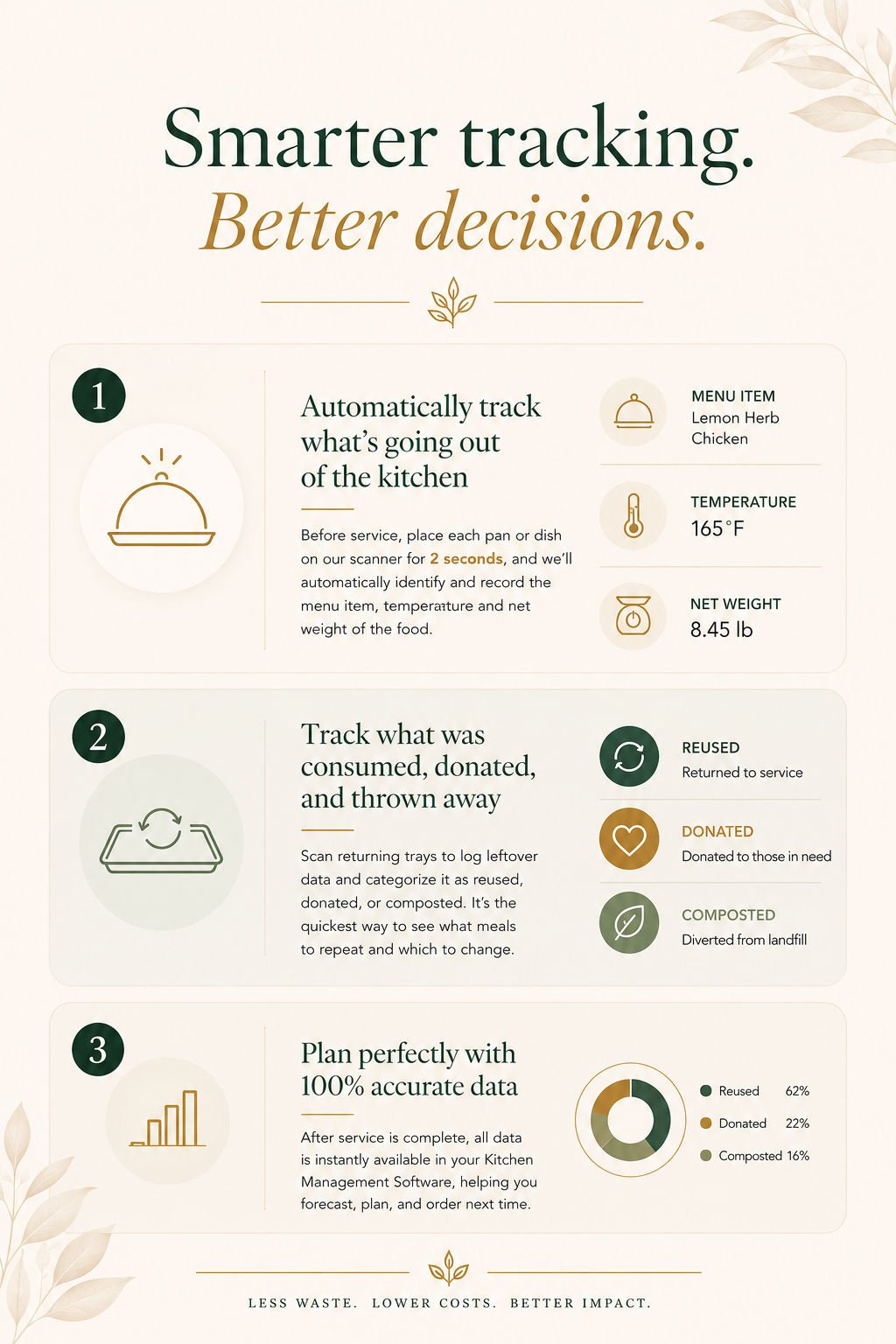
Metafoodx is commercial kitchen technology built for operations where demand changes every day. It turns what happens on the buffet into production decisions the kitchen team can act on.
Consumption Tracking. Staff scan pans when they go out and when they come back, which takes about two seconds and fits into handling they already do. Metafoodx records the item, weight and temperature, and Auto Food Labeling recognizes dishes from the day's menu, even ones that look alike. You see how much of each dish was eaten by meal, outlet and day.
Live View in the Mobile App. A chef on the floor can see which items are running low and which aren't selling, then cook what's needed instead of refilling everything with a full pan.
Automatic Production Planning. Metafoodx builds a prep list from what guests ate the last time the menu came around. Managers can enter guest counts, pick a similar past day to compare, and change amounts before service. Forecasts account for day of week, special events and menu cycles.
Freshness and Overproduction Alerts. A timer starts on each item when its pan goes out and turns orange, then red, so staff know when to check or replace it. Overproduction Alerts email the team when an item goes over a set limit, and the weekly report lists the five items costing the most in extra food at each outlet, with what to cut first.
Catering Mode. Banquet production and leftovers are recorded by BEO number, with notes and searchable event history.
Plate-waste station. At dish return, Metafoodx measures what guests leave behind and identifies the main leftover item on each plate. Guests can leave feedback and see how their plate adds to the weekly waste total, and managers can post short messages on the tablet.
Multi-outlet and multi-property view. Fixed Metafoodx stations cover the busiest spots, and the Mobile App covers banquets, pop-ups and smaller kitchens. Global View lets groups compare every property side by side, so banquets, room service and dining outlets work from the same numbers.
Notes for Casinos, Cruise Lines and Airport Dining
- Casinos: Buffets run late across many outlets, so knowing when to stop cooking matters most. Measuring when surplus builds up shows exactly when that is. More in How Casino Resorts Are Cutting Food Waste with AI Kitchen Technology.
- Cruise lines: Food is loaded at port and storage is limited, so ordering the right amount matters as much as cooking it. Kitchen and sales data together show what the ship needs for the next voyage. More in How Cruises Can Reduce Food Waste and Improve Meal Efficiency.
- Airport dining: Traffic follows flight schedules and delays. Knowing what sells at each time of day helps grab-and-go and hot food cook closer to demand.
Results: Mayan Princess Beach & Dive Resort
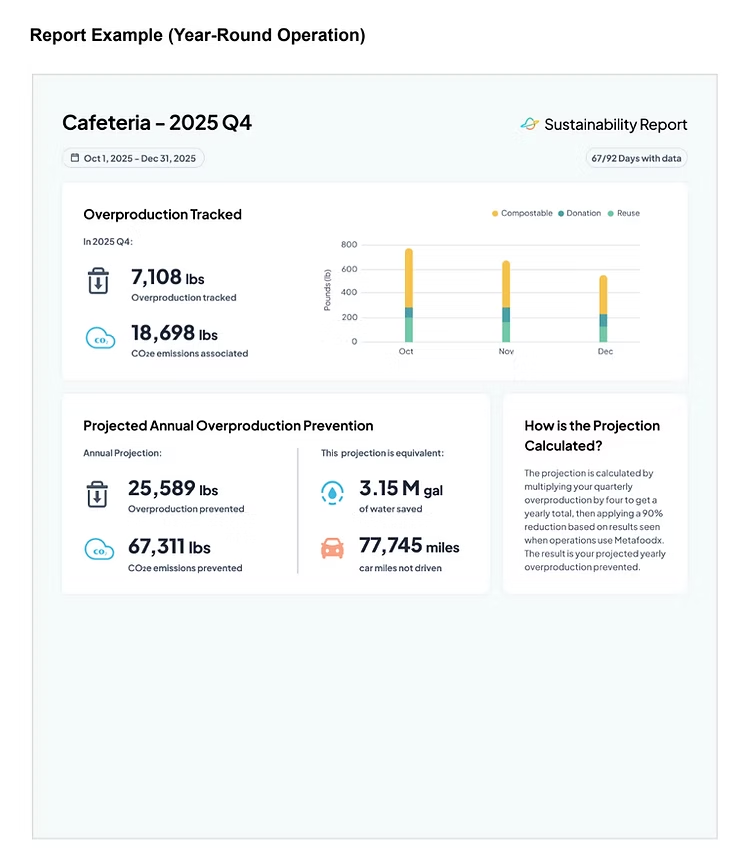
Mayan Princess Beach & Dive Resort in Honduras faced the same challenge as most resorts: a high-volume buffet, little visibility into consumption, and production decisions that repeated the same overproduction week after week.
With Metafoodx, the team could see for the first time which dishes were overproduced and which were driving guest demand. Estimation gave way to data-informed production across its five buffet venues. The change wasn't about offering guests less. It was about producing the right quantities of the right dishes at the right time.
The resort cut overproduction 23% in six months and earned more than 820% ROI.
| "Metafoodx gave us something we never had before — real visibility into our kitchen operations. Now we know exactly what our guests are consuming and where we're overproducing, which allows us to adjust quickly, reduce waste, and run a much more efficient operation." Juan Gomez de la Torre, General Manager, Mayan Princess Beach and Dive Resort |
|---|
Other Metafoodx customers have seen similar returns. Pomona College achieved 500%+ ROI. How much a hotel saves depends on its starting point, its food cost data, and consistent daily use. The first step is measuring where you are today.
Frequently Asked Questions
How much food do hotel buffets waste?
It depends on the property, service style and occupancy, but buffets generate more waste per guest than plated service because trays must stay full through service. Across U.S. foodservice, ReFED puts surplus food at $157 billion in 2024. The only reliable number for your hotel is one you measure yourself.
What is the biggest cause of overproduction in hotel kitchens?
The lack of accurate consumption data. Without records of what guests actually ate at past services, kitchens plan from estimates, and overproducing feels safer than running out.
How can hotels reduce buffet food waste without running out of food?
Set first-batch quantities from what guests ate at similar services, then refill based on what's actually moving rather than a fixed schedule. Smaller, more frequent batches keep trays full and fresh while less ends up in the trash.
Does measuring buffet production slow down the kitchen?
No. With Metafoodx it takes about two seconds per pan and happens when staff are already handling pans, sending food out and pulling it back.
Can Metafoodx work across multiple outlets or properties?
Yes. Fixed Metafoodx stations cover high-volume lines, the Mobile App covers banquets, pop-ups and smaller kitchens, and Global View compares every property in one dashboard.
Related reading: Buffet Production Planning for Hotels and Resorts · How a Caribbean Resort Earned 820% ROI · Grocery Store Deli Food Waste
Metafoodx is a food operations intelligence platform that captures the food journey from prep to plate, so foodservice teams can lower food cost, produce more accurately, and prevent waste before it happens. Ready to see how we can help transform your food service operation? Book a demo with our team today.