
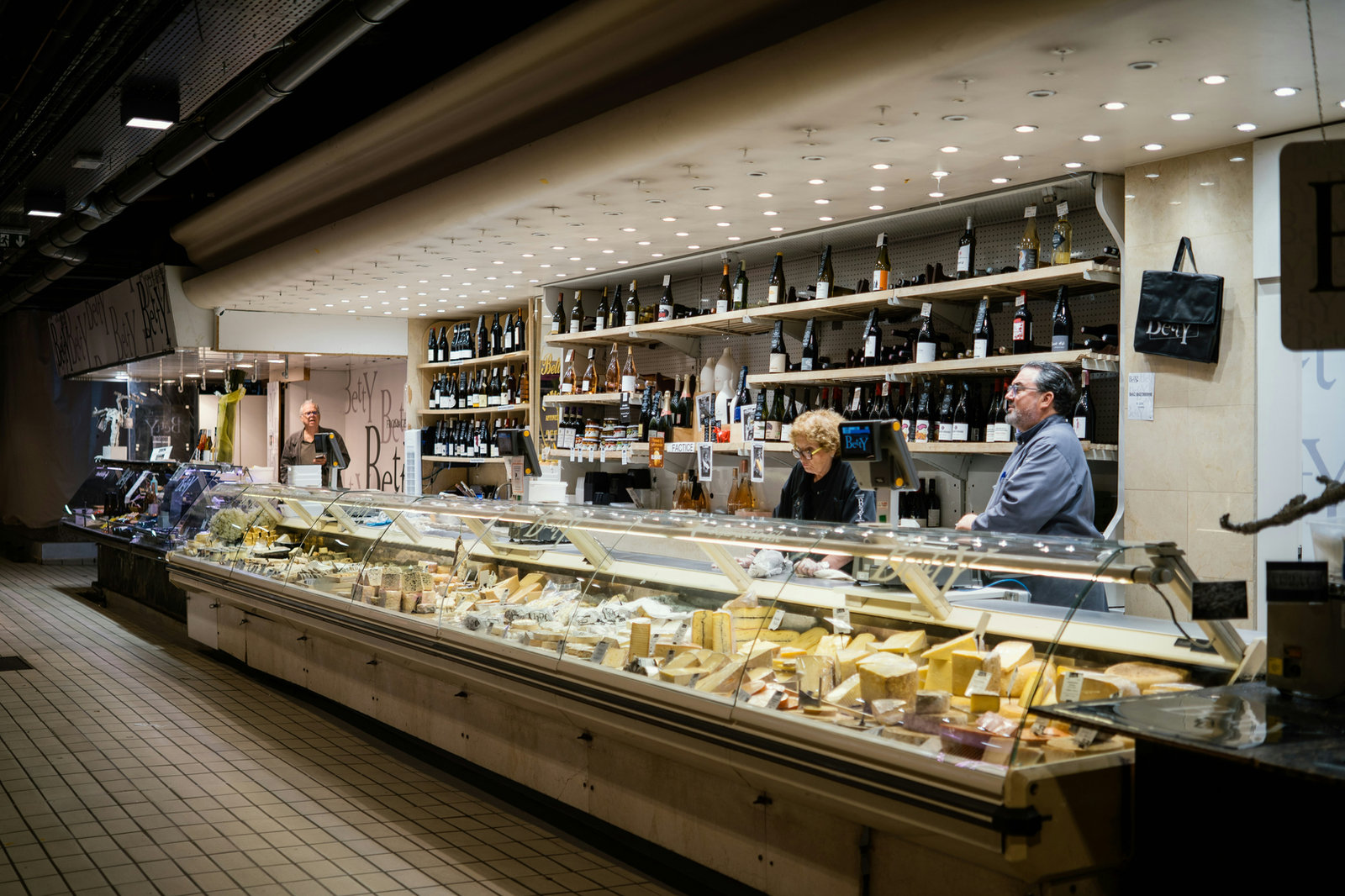
When people think about grocery store food waste, they picture bruised fruit and expired milk. Some of the most expensive waste is overproduction behind the deli counter: hot bars, rotisserie chickens, salad bars, sushi and grab-and-go meals made in the store every day.
Prepared foods bring shoppers in and get them to spend more. They're also the hardest department to plan. Prepared foods are cooked like a restaurant, sold like retail, and only last a few hours. If the case looks empty, it doesn't sell. If it's still full at closing, the food gets thrown out.
That makes grocery deli food waste a production planning problem: how much to cook, when to cook it, and when to stop. Delis that plan from hourly demand sell through. Delis that plan from habit overproduce.
How Big Is the Prepared Foods Problem?
ReFED estimates U.S. retailers had 3.98 million tons of surplus food in 2024, worth $26.9 billion.
Prepared foods punch above their weight in that number. In a multi-year grocery study, the Pacific Coast Food Waste Commitment found prepared foods made up 22.4% of the value of unsold food, more than any other department.
Why Grocery Delis Overproduce
- The display has to look full. A half-empty hot bar doesn't sell, so stores cook extra to fill it at opening.
- Shoppers come in waves. The lunch and after-work rushes look nothing like mid-afternoon, and shoppers don't buy every item evenly.
- Food doesn't last long. Hot food that sits too long gets pulled during the day, whether it would have sold or not.
- Most delis guess. Many plan from yesterday's gut feeling instead of what each item actually sells by hour.
Each step makes sense on its own. Together, they make prepared foods one of the most expensive sources of unsold food in grocery. Whatever is left at closing is thrown out, donated or composted.
Hot Bars and Rotisserie: Two Different Planning Problems
A hot bar has many items, and each one sells at a different pace. A few slow sellers usually cause most of the overproduction, so the fix is item-level: smaller pans or fewer refills for the slow movers, not less food across the board.
Rotisserie chicken is a timing problem. The question is how many to cook, and when. Cooking the whole day's supply in one or two big rounds means birds sit in the case for hours. Cooking in rounds timed to the rushes keeps the case stocked when shoppers are there and nearly empty when they aren't.
Both get easier when you know what sells each hour.
How to Plan a Hot Bar That Sells Through
- Plan by the hour, not the day. Use hourly sales by item to set first-batch quantities and refill times.
- Use smaller pans for slow sellers so the bar still looks full without overcooking.
- Time rotisserie rounds to the after-work rush instead of cooking everything in the morning.
- Cook less in the first batch on days when mornings are always slow.
- Set hold times and stick to them so staff pull food on schedule rather than guessing.
- Review the costliest items weekly with each deli manager and adjust the next week's plan.
How Metafoodx Supports Deli Production Planning

Metafoodx is commercial kitchen technology that records what was cooked, what sold and what was pulled, in about two seconds per pan. That data turns into a clear picture of what to cook and when.
- Consumption Tracking: Pans are scanned when they go into the hot bar or case and when they're pulled. See what sold by item, hour and store.
- Freshness Alerts: A timer starts on each item when its pan goes into the display. It turns orange, then red, as time runs out, so food gets rotated on time.
- Timer history: A downloadable log shows how long food was held, so you have a record of freshness.
- Weekly top five: The weekly report lists the five items that cost the most in extra food at each store, with prep tips for the manager.
- Overproduction Destinations: Staff tag pulled food as reused, composted or donated with one tap, and the dashboard shows where it all went.
- Global View: Compare the same items across every store in one dashboard to find problem spots and share what works.
Food Halls, Stadiums and Theme Parks: Same Problem, Bigger Swings
Any operation that cooks ahead and sells over the counter faces the same overproduction risk, often with wider swings in demand:
- Stadiums and arenas: Sales depend on attendance, weather, the opponent and even the score. Dozens of stands open for only a few hours. See Stadium Food Waste: How to Plan Concessions Event by Event.
- Theme parks: Crowds change with the season, weather and park hours, so each food stand gets busy at different times.
- Food halls: Several vendors share one space and the same customers, so what one vendor cooks affects the others.
For these venues, the Metafoodx Mobile App lets concession stands, kiosks and event areas track food without fixed equipment. Catering Mode records how much was made and left over at each event, so the next similar game, event or season is planned from real numbers.
Where Surplus Goes Matters Too
Some extra food can't be avoided. Tagging where it goes, whether reused, composted or donated, helps stores report on diversion and spot patterns.
Donations should always go through an approved program that follows local food safety rules. But cooking less in the first place saves more than any diversion program.
Frequently Asked Questions
How much food do grocery stores waste?
ReFED estimates U.S. retailers had 3.98 million tons of surplus food in 2024, worth $26.9 billion. Prepared foods are the single most expensive category of unsold food in the Pacific Coast Food Waste Commitment's grocery study.
How do grocery delis reduce prepared food waste?
Track what each item sells by hour, plan production to that demand, cook smaller amounts more often, and use timers so staff pull food on schedule instead of guessing.
Can unsold deli food be donated?
Often, yes, through an approved program that follows local food safety rules. Metafoodx can tag extra food for donation, but cooking less in the first place saves more.
Does this work across a grocery chain?
Yes. Every store tracks the same way, and Global View shows all stores side by side.
Can production tracking work at a stadium or theme park?
Yes. Fixed Metafoodx stations cover central kitchens, and the Mobile App covers concession and pop-up stands.
Related reading: Stadium Food Waste: How to Plan Concessions Event by Event · Corporate Cafeteria Food Waste: How to Plan When Headcount Won't Sit Still · Institutional Food Service: How Colleges and Healthcare Kitchens Cut Food Waste
Metafoodx is a food operations intelligence platform that captures the food journey from prep to plate, so foodservice teams can lower food cost, produce more accurately, and prevent waste before it happens. Ready to see how we can help transform your food service operation? Book a demo with our team today.